Author
Books by James Joyce
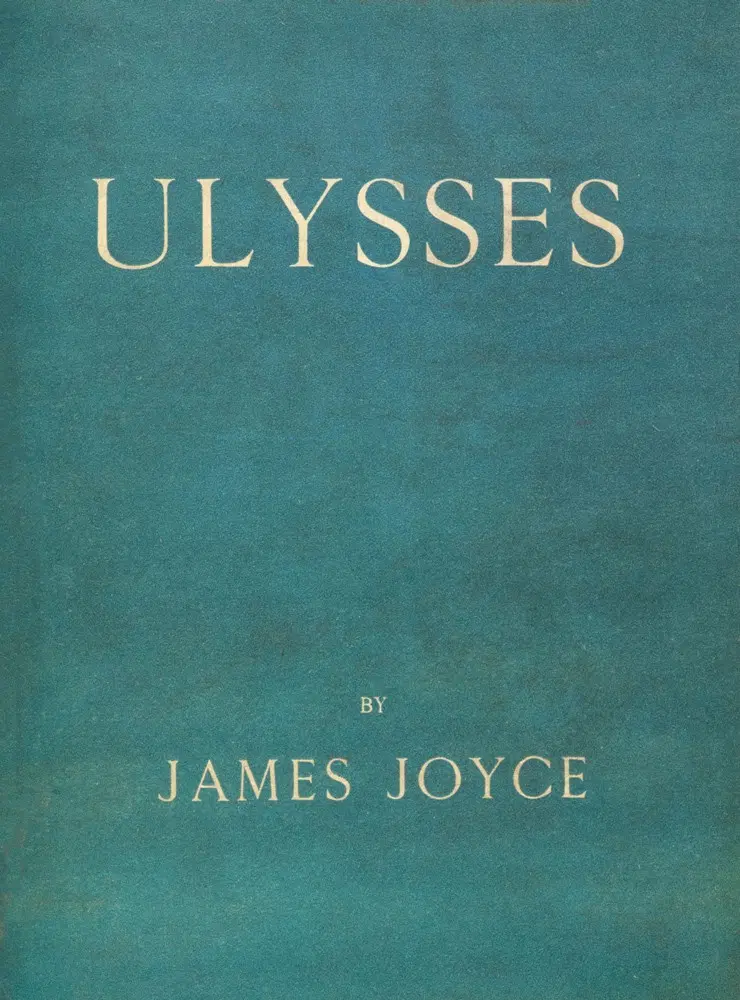
Irish avant-garde modernist novelist who revolutionized 20th-century fiction with Ulysses and Dubliners.
1 published MeBook on VisualibleOn Visualible
Available MeBooks by James Joyce
Read the original text unchanged, with optional Visualible context beside the page. The first 20 pages of every MeBook are free.
Biography
About James Joyce
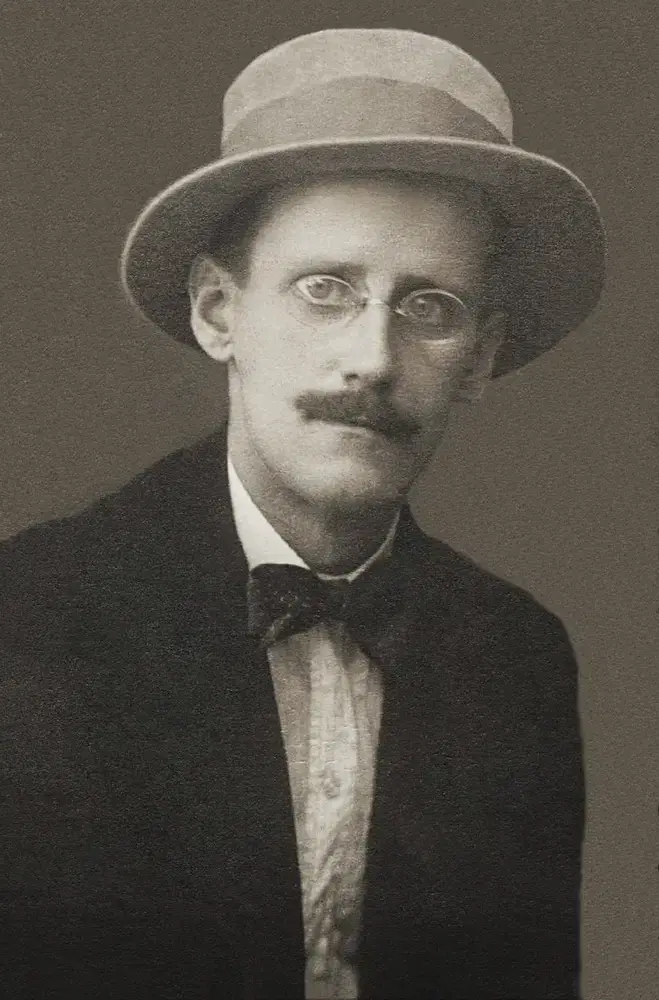
James Joyce (1882–1941) was an Irish novelist, poet, and literary innovator universally acknowledged as one of the most influential, revolutionary figures of the modernist avant-garde. Born in Dublin and educated by Jesuits, Joyce spent the majority of his adult life in self-imposed exile in Paris, Zurich, and Trieste, yet Dublin remained the exclusive, hyper-detailed setting for all his creative work. Following his incisive short story collection Dubliners (1914) and his semi-autobiographical bildungsroman A Portrait of the Artist as a Young Man (1916), Joyce published Ulysses in 1922, a monumental modernist masterpiece that paralleled Homer's Odyssey across a single ordinary day in Dublin. Utilizing stream of consciousness, linguistic parody, interior monologue, and encyclopedic cultural allusions, Joyce radicalized the nature of narrative time and human psychology. He culminated his linguistic experimentation with Finnegans Wake (1939), fundamentally transforming twentieth-century literary aesthetics and pushing the English language to its outer limits.
Read James Joyce with the context built in.
Open any MeBook and read the first 20 pages free. No subscription, no detours.
Sign-in required. No purchase.